Building A Professional Network

Last updated June 25, 2026

In this article

Whether you’re searching for your first job or internship or want to explore career paths, having a strong professional network can go a long way. Your network can help you meet new people, make professional connections, explore career paths, and maybe even land a job or internship. We share four tips for building a professional network!

Activate your network

You may not have realized it, but you already have a network! Your network can consist of anyone you’ve worked with in any setting, like bosses, coworkers, members of clubs you’re in, classmates, teammates, coaches, and educators. You can reach out to these people to support you professionally when needed. Members of your network can do things like review your resume and cover letter, connect you to jobs and internships you may be interested in, be a professional reference, mentor you, and so much more. When you’re ready to start your search for your next job or internship, be sure to activate your existing network first. It can be as easy as sending an email to let people know the types of opportunities you’re looking for, along with your resume and brag sheet. You never know what’s out there!

Create a LinkedIn profile

LinkedIn is a free professional networking website that can help you find jobs and internships, meet new people, and keep in touch with your network. When you create a LinkedIn profile, you can learn about new opportunities in your area and build your network by connecting with people in jobs and industries you’re interested in. LinkedIn also offers free online courses to help you gain new skills that are valuable in every career!

Join a group, club, or volunteer

One of the easiest ways to make new connections is to join a group or participate in a club, both in and outside of school. Not only will you learn new skills and find new passions that you can add to your resume, you’ll also be able to meet new people, build new relationships, and expand your professional network.

Leave your comfort zone

While your friends and people who share similar interests to you can be part of your network, every now and then it’s important to push yourself outside of your comfort zone to meet new people! To leave your comfort zone, expand your network, and learn something new, we recommend reaching out to someone on LinkedIn who has a job you’re interested in or works for a company you’d like to learn more about. Ask if they would be willing to set up an informational interview to answer any questions you have about their job, company, or industry. Not only will informational interviews teach you about different careers and job paths, the person you held the interview with is now a part of your network! Ask them if you can connect with them on LinkedIn by following up with them after your interview. 

Networks are not built overnight! It takes time to build professional relationships with people, so be patient and consistent. You never know when you will need to reach out to your network for help, so keep in touch by reaching out a couple of times a year, even if it’s just to say hi. 

Do you have any questions or need some support as you start to grow your network? Connect with a Get Schooled Advisor.

Keep going

What to Know about Seasonal Jobs for Teens

Last updated September 3, 2025

In this article

Seasonal jobs are great opportunities for teens to earn money when they have free time from school. Whether it’s over summer break or during the holiday season, there are some key things to keep in mind to get the most out of your seasonal job. We share what teens should know about seasonal jobs! 

Interview Coach button - What to Know about Seasonal Jobs for Teens

Prepare in advance

If you want to work over the holiday or summer breaks, be sure to apply for jobs at least one month before you want to start working. When you start applying, it will be helpful to have your resume and cover letter ready to update and customize to each job you apply for. 

Need a second opinion on your resume or cover letter? Send them to us for free review! We’ll have them back to you within a week with advice and feedback. 

Be aware of your options

Depending on the time of year, there may be an increase in hiring. For example, in the summer, many cities host Summer Youth Employment Programs, which offer entry-level summer jobs to young people at local businesses, nonprofit organizations, and city governments. There may also be openings in your area for positions such as camp counselor, lifeguard, or childcare worker. During the holidays, there are also short-term ways to earn money with holiday-specific pop-ups, such as Halloween stores or Christmas tree sales. Large retail stores are also often looking to hire short-term workers during this time. Be sure to explore options like these when starting your job search. 

Network

When starting your job search, be sure to reach out to your network to see if anyone knows of seasonal opportunities. If you’re in college, the career center can also support you in your search!

Once you land your seasonal job, your coworkers and managers will become a part of your network, too. Building professional relationships with them may lead to getting a reference for future employment, finding a mentor, or even returning to the same job season after season!

Know your rights and opportunities

Depending on your age, there may be limits to the amount of hours you can work per shift or per week, so it’s important to know your rights as an employee if you are under 16. Working on holidays can also mean making more money, since companies may offer “time and a half” pay for employees. This means that if you normally earn $20 per hour at your seasonal job, you would instead be earning up to $30 during peak days. Be sure to ask about this possibility when you’re hired.

Additionally, you will need to track your earnings for tax purposes, depending on how much you make in a given year. Your paycheck will deduct taxes from your overall pay each pay period, but when filing your taxes (if needed), you may be owed a refund. Talk to an educator or trusted adult if you are unsure about whether you will need to file taxes.  

Learn more about managing your money wisely!

Do you have any questions about finding a seasonal job as a teen? Connect with a Get Schooled Advisor.

Keep going

How to Find A Summer Job

Last updated June 18, 2026

In this article

Summer is a great time to find a job or internship that can help you gain experience, build your professional network, and earn money. We’ll share five ways to find a summer job!

Summer Youth Employment Programs

Many cities offer Summer Youth Employment Programs that provide paid work experience to young people between the ages of 14 and 24. Contact your mayor’s office to see what opportunities are available or search “summer youth employment program near me” online to get started! These programs often include paid job readiness training alongside actual paid work. These are amazing, structured programs that are built for students like you!

Ask your network

Since not all jobs will be posted online, be sure to tap into your network when looking for a summer job. Talk to your friends, family members, teachers, and community members to see if they know of any jobs or internships!

CareerOneStop centers

There are nearly 2,400 CareerOneStop centers nationwide that help people search for jobs, find training, and answer employment-related questions for free. Like Summer Youth Employment Programs, CareerOneStop will also likely have programs specifically for teens and young adults that include paid training and work. Find a CareerOneStop center near you

Start a side hustle

If finding a job or internship doesn’t work for you, there’s always an option to start a side hustle! When you have a side hustle, you can make your own schedule, work when you want to, and do something you’re passionate about. Not sure where to start? Check out our list of 12 side hustle websites you can join to begin earning! Entrepreneurship is a great skill to highlight on your resume, so be sure to include any side hustles when updating it or applying to jobs in the future.

Do you have any questions or need support in your job search? Connect with a Get Schooled Advisor.

Keep going

What Are Summer Youth Employment Programs?

Last updated March 2, 2026

In this article

Looking for a way to make money, grow your professional network, and give back to your community this summer? A Summer Youth Employment Program (SYEP) may be a good fit for you! Here’s what you need to know about SYEPs– what they are, how to find them in your area, and more! 

What Are Summer Youth Employment Programs (SYEPs)? Why should I join one?

SYEPs offer entry-level summer jobs to young people at local businesses, nonprofit organizations, and city governments. In addition to gaining work experience, many programs offer job readiness workshops that offer helpful career tips and advice, mentorship opportunitiesresume help, and support preparing for job interviews.

How old do I have to be to participate in an SYEP?

While each city and state has their own age requirements, the typical age range for SYEPs is 14-24 years old. Be sure to look up your city or county’s program to learn more about their specific age requirements.

What do I need to apply to an SYEP?

Each program will have different application requirements, but may ask for some or all of the following: 

  • Full name
  • Age
  • Email address
  • Phone number
  • Household size and income
  • Social Security number
  • Birth certificate
  • Doctor’s note

A note to undocumented youth applying to an SYEP

If you are an undocumented young adult, you may be eligible to participate in an SYEP. Every SYEP will have a different set of eligibility requirements and some programs do have positions available for undocumented youth. Be sure to speak with a representative at your local SYEP to learn what options are available to you.

What else should I know before I apply?

  • SYEPs are popular and spots fill up fast, so be sure to submit your application as soon as possible. Some programs close their applications early if they receive enough before the deadline.
  • Make sure you read the application instructions and eligibility requirements thoroughly and that you have all of the required information before starting your application.
  • Remember to check your email regularly after applying so you don’t miss any important deadlines or next steps.


Three young employees at a food counter chatting with a customer while working - What Are Summer Youth Employment Programs?

What Teens Need to Know About Taxes

Most Summer Youth Employment Programs are paid positions, and participants are typically paid hourly based on local minimum wage laws. Since you are considered an employee, you may need to complete tax forms before you start working. At the end of the year, you will likely receive a W-2 form that shows how much money you earned and how much was withheld for taxes. This form is important when filing your taxes. To learn more about what teens should know about taxes check out our article.

How do I find an SYEP near me?

Many programs may go by a different name other than SYEP. Here are a few tips for finding a program near you:

  • Reach out to your school. Ask your guidance counselor, teacher, or administrator for information about summer opportunities available in your community.
  • Check out your local library. Many libraries have teen/young adult programming departments that can assist you with finding your local SYEP.
  • Conduct a Google search. Find your local SYEP by searching on Google. Here are a few keywords to help make your search easier:
  1. Summer Youth Employment Programs, [insert name of your city]
  2. Summer jobs program, [insert name of your city]
  3. 2026 summer youth employment, [insert name of your city]
  4. SYEP 2026, [insert name of city]

Many cities have more than one SYEP, so as you do your research, make note of all the programs you learn about.

SYEPs across the country

Listed below are direct links to a few of the larger SYEP programs. Make sure you’re aware of deadlines before you start applying:

Do you have any questions about finding an SYEP near you? Connect with a Get Schooled Advisor.

Keep going

4 Reasons to Make a LinkedIn Profile

Last updated June 25, 2026

In this article

With over 1 billion users worldwide, LinkedIn is the #1 social media platform dedicated to helping people build their professional networks. Your network can help you meet new people, make professional connections, explore career paths, and maybe even land a job or internship! No matter what stage you’re at in your career, making a LinkedIn profile now is a great way to start expanding your network. In this article, we’ll share four reasons to make a LinkedIn profile!

Create your professional network

Your network can open new doors to opportunities that can level up your career. It can consist of anyone you’ve worked with in any setting, like bosses, coworkers, members of clubs you were in, teammates, coaches, and educators. They can speak highly of your skills, abilities, and experience, introduce you to new people, and even provide a reference when you apply for a job. After setting up your LinkedIn profile, reach out to your network and send them an invitation to connect!
Build a professional online presence

Consider your LinkedIn profile as your online resume. It should make a meaningful first impression on potential employers and showcase your skills, education, and experiences that make you the best candidate for a job. It’s now a best practice to have your LinkedIn profile listed on your resume. In fact, a lot of jobs will allow you to apply online if you link your profile to their job application portal. Read our tips on building a standout LinkedIn profile!

Find a job or internship

LinkedIn has a job board where you can search for and apply to jobs and internships. In fact, many employers now use LinkedIn as their primary way to recruit and hire new employees! LinkedIn will send you alerts about jobs you can apply to directly by sending your profile and resume. Even if you are not actively looking for a new job, it’s always good to keep an eye out for future opportunities.

Need some help setting up your LinkedIn profile or looking for a job? Connect with a Get Schooled Advisor.

Keep going

How to Build Your LinkedIn Profile

Last updated January 8, 2026

In this article

When looking for jobs and internships, using a platform like LinkedIn is one of the most effective ways to search. Because LinkedIn is the world’s leading job and networking site, it’s important to build a profile that stands out and connects you to the right opportunities and people. In this article, we’ll share tips on building a strong LinkedIn profile!

A phone with LinkedIn's mobile app open sits on a wooden desk - How to Build Your LinkedIn Profile

How to build your LinkedIn profile

To get your profile set up, you’ll want to enter the following info:

  • Professional email. Use a reliable email address that you can easily access when creating your account. It’s not recommended to use an email associated with your school, since you may lose access to it in the future. It’s also important that the email you use is simple, professional, and contains your full name.
  • Headshot photo. Profiles with photos are more likely to be clicked on! You don’t need to have a professional headshot taken, but try to select a photo with a plain background. Ideally, you’ll want to wear professional or business casual attire in the photo—similar to what you’d be wearing in a job or internship interview. Avoid selfies and photos where someone or something is obviously cropped out. 
  • Headline. Your LinkedIn headline is automatically generated as your current job title or as “student at college/university.” We highly recommend customizing your headline to summarize your academic and professional experience and goals in the allotted characters. Use industry-specific keywords that will make it easier for recruiters to find you.
    • Examples:
      • Aspiring Java Software Developer | Seeking Entry-Level Programming Position | Experience with JavaScript and Python
      • Dedicated Youth Advocate and Educator | Native Spanish Speaker | Seeking Entry-Level Social Impact Roles
      • Marketing Major | Social Media Coordinator | Forbes Under 30 Scholar
  • Summary. The summary section of your profile functions like an elevator pitch. The purpose of a summary is to explain who you are, your skills, and the opportunities you’re seeking in 100 words or less. Be sure to highlight the skills, traits, and experiences that will help you reach your goals. If your resume has a professional summary section, feel free to use that language! 

  • Education and experience. Including your education, any professional training, and previous work experience shows future employers how you can contribute to their company. You can use bullet points from your own resume in this section! Be sure to describe notable accomplishments using the following format: action verb + quantity/context + result/outcome! Be sure to update your LinkedIn profile whenever you make changes to your resume. 

    • Example of action verb + quantity/context + result/outcome format: Managed a $10K annual club budget supporting student programming, advocacy initiatives, special projects, and community engagement.

  • Extracurricular activities. List all clubs, organizations, and community service you’ve participated in to give potential employers a glimpse into your interests outside of school and work. Be sure to also include any leadership roles you’ve held to demonstrate that you are responsible, organized, and take initiative.

  • Skills. List your professional skills to show potential employers that you have the credentials to get a job done. Look at profiles of people in the industry you are hoping to enter to see what skills they list for inspiration. Professional skills like customer service are transferable to any job, so be sure to add them. It’s also important to include any technical skills on your LinkedIn, like proficiency in Microsoft Excel or the ability to speak a second language. All of these skills will go a long way in setting you apart from other candidates!

How to build your network on LinkedIn

Once you’ve set up your profile, begin connecting with people you know that are already in your network, like coworkers, managers, advisors, and even classmates. 

Once you connect with people you know, we recommend connecting with people you want to be professionally associated with. You can reach out to people you’ve met once before in a professional capacity, or you can reach out to someone who has a job or career that interests you–even if you don’t know them personally! While this sounds intimidating, you may be surprised at how many people will be willing to connect and chat about their professional experiences! Read some examples of how to reach out to people over LinkedIn: 

If you’ve met 

Hello Mr. Lopez,

I had the pleasure of meeting you briefly last week at Seattle University’s Spring Career Fair. I noticed that we have several mutual connections, and I would love to connect to talk more about the summer internship opportunities we discussed briefly. May I add you to my network?

If you haven’t met

Hello Dr. Muñoz,

I attended your guest lecture last week on Seatle University’s campus about the importance of media literacy during elections. I was inspired by your message on how to civically engage more young people in the electoral process. I’m an aspiring journalist myself with hopes of writing for a daily newspaper once I graduate. May I add you to my network and potentially set up a call with you to learn more about your career path?

Building a strong LinkedIn profile takes time! Being intentional about the information you share can open doors to professional connections and job opportunities! Ensuring your profile is complete increases your visibility to employers and helps expand your network. 

Need some help setting up your LinkedIn profile or looking for a job? Connect with a Get Schooled Advisor.

Keep going

Where to Find Internships

Last updated February 19, 2026

In this article

If you’re looking for a way to gain work experience for your resume or college applications, why not consider an internship? Internships offer valuable hands-on work experience in a variety of professions and fields to help people learn and grow their professional network. From online job boards to school resources, discover where high school and college students can find internships to build skills and explore careers. 

Handshake

Screenshot of Handshake homepage - Where to Find Internships

Handshake is a popular platform that helps college students find internships and other early-career opportunities. What sets Handshake apart is its ability to connect students directly with employers—you can receive messages from companies, apply to internships, and network with alumni from your school who work at organizations you’re interested in. Because Handshake is a gated platform designed specifically for college students, you must register using a college email address to access opportunities.

Idealist

Screenshot of Idealist homepage - Where to Find Internships

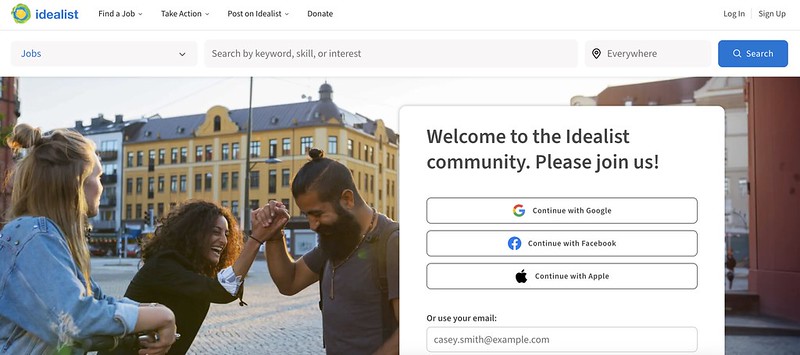
Idealist is a website where students can find jobs, internships, and volunteer opportunities, especially with nonprofits and organizations focused on helping others. You don’t need to create an account to browse opportunities, but making a free profile allows you to save positions you’re interested in. To get started, enter your city and explore internships and volunteer opportunities near you.

StandOutSearch

Screenshot of StandOut Search homepage - Where to Find Internships

StandOutSearch is an internship platform created specifically for high school students. It allows you to explore internship opportunities using filters like grade level, interests, paid or unpaid positions, season, and more. No sign up is required to start searching.

WayUp

Screenshot of WayUp homepage - Where to Find Internships

WayUp is a job and internship platform for college students and recent graduates to search for opportunities, access career advice, and connect directly with employers. WayUp is a gated platform, so you must register and complete a profile before viewing opportunities. Once your profile is complete, you will have access to a dashboard of internship opportunities that match your profile.

Indeed

Screenshot of Indeed homepage - Where to Find Internships

Indeed is a popular job and internship search website used by students and professionals. You can search for internships by job title, company, or location and filter results by part-time, full-time, or temporary roles. No account is required to browse, but creating a free profile allows you to upload your resume and apply more easily.

LinkedIn

Screenshot of LinkedIn homepage - Where to Find Internships

LinkedIn is a professional networking platform that also helps students find internships and jobs. Students can search for opportunities, follow companies they’re interested in, and connect with professionals and alumni. Creating a profile allows you to showcase your skills, experience, and interests while building your professional network.

Federal Internship Finder

Screenshot of Federal Internship Finder homepage - Where to Find Internships

Federal Internship Finder connects students to internship opportunities within the U.S. federal government. It pulls together internships from multiple government agencies in one place, making it easier to explore public service careers. Opportunities are available for high school, college, and graduate students.

USAJobs.gov

Screenshot of USAJobs.gov homepage - Where to Find Internships

USAJobs.gov is the official website for jobs and internships with the U.S. federal government. Students can search for paid internships, summer programs, and entry-level positions across a wide range of fields. Creating an account allows you to apply for positions and track your applications online.

Your school’s career center

If you’re a college student, use the resources offered by your campus career center. In addition to helping you fine-tune your resume and prepare for interviews, many college career centers have great online job and internship boards where students can search for opportunities based on their major or areas of interest. Additionally, career centers have relationships with employers and often are aware of internship opportunities that may be exclusively available to students at your school.

Apply directly on a company’s website

Another way to find internships is by applying directly through a company’s website. Many organizations post internship opportunities on their “Careers” or “Jobs” pages, often with detailed descriptions of the role and internship requirements. Applying directly allows you to target companies you’re genuinely interested in and can sometimes give you access to opportunities that aren’t posted on job boards.

Through your network

Your network is a great place to start your search! Reach out to old coworkers, supervisors, and managers to let them know you’re interested in finding an internship. They may know of an opportunity that could be a great fit for you! You can also tap into your academic connections in college. For example, if you are looking for an internship in media or journalism, you can reach out to your school’s student newspaper advisor to see if they have any helpful connections. Once you are connected with someone who works in your desired industry, you can set up an informational interview to learn more about their profession and any opportunities they may be aware of.

Do you have any questions about finding an internship? Connect with a Get Schooled Advisor.

Keep going

How to Make The Most of Your Internship

Last updated January 6, 2026

In this article

Landed an internship and want to make a lasting impression while learning and growing your professional skills? We share five ways to make the most of your internship!

Two men dressed in black look at a computer screen - How to Make The Most of Your Internship

Create new relationships

Internships provide a great opportunity to grow your network and meet new people! Your professional relationships typically make up your network—the people you know in a professional capacity who can potentially help you find your next job opportunity. Introduce yourself to your new coworkers, join workplace social events, and learn about the work being done where you’re interning. Don’t be afraid to ask people who have a career path you’re interested in to have lunch or coffee with you during your time as an intern!

Set personal and professional goals

Your internship is a great time to work on specific skills or explore a potential career path, but to do them efficiently, you need to set goals! Make sure you’re clear about each thing you want to accomplish, being as detailed as possible. For example, if you want to enhance your public speaking skills because you know it will be necessary for your chosen career path, work with your internship supervisor to see if there are projects that will allow you to give presentations.

Take initiative

Your internship could sometimes be challenging, busy, or jam-packed with responsibilities. Other times, however, you may find yourself with fewer items on your to-do list. Don’t wait to be told what to do! This is the perfect time to take initiative and ask for new assignments or tasks. Going above and beyond shows your supervisor that you’re driven and can work independently–qualities that increase the likelihood of getting an invite back, securing a strong reference for future opportunities, or even being offered a permanent position!

Find a mentor

A mentor can help you grow your professional skills both during and after your internship. Mentors can give you advice, be a reference for future job opportunities, and help you make important connections throughout your career. If you build a positive relationship with a coworker or supervisor at your internship, consider asking them if they would be open to mentoring you!

Keep a journal of the experience

Take time during your internship to write out not only what you did each day, but the exciting moments, the way successes (and missteps) made you feel, and questions you have about the experience overall. Keeping this type of log may be required by your school (if you’re in college) or the organization you’re interning for, so be sure to check and see what information you should be collecting throughout your time as an intern. Lastly, if you’re thinking about trying out a new job or preparing for an interview, you can reread your journal and reflect on your experience and think of examples to use in an interview or cover letter!

Looking to land an internship to put these tips into action? Here are places you can start your search! Do you have any questions about internships? Connect with a Get Schooled Advisor.

Keep going

How to Build an Internship Search Plan

Last updated March 5, 2026

In this article

If you’re ready to get real-world experience and explore career options, building an internship search plan is a smart first step. Internships offer more than a short-term experience. They can help you figure out what kind of work you enjoy, build practical skills, and create a network of professionals who can support your career goals. Having a clear plan will help you stay focused, land the right opportunity, and take your next steps with confidence. In this article, we’ll show you how to build an internship plan! 

Start by deciding what kind of internship you want

Before you start your search, spend some time thinking about the types of opportunities you want to pursue. Take into consideration your strengths, interests, and long-term goals. An internship can be a perfect opportunity to explore a new field or find an opportunity in your desired career path to determine if it’s what you want to pursue. In general, internships are designed to be learning experiences that help you gain insight into specific industries. 

Consider the following when searching for opportunities: 

  • Size – Consider the size of the company you want to work for. How will the size impact your experience?
  • Pay – We always encourage students to seek paid opportunities first. Are you willing to take an unpaid internship if the opportunity is intriguing or the right fit? 
  • Location – Where do you want to intern? Do you want to look for opportunities that are local, remote, or in a specific city/region?
  • Mission – Does the mission of the organization resonate with you? Can you picture yourself representing their mission through your work? 
  • Culture – What is the makeup of the team? Will there be other interns going through the experience with you? Will the work you do be collaborative, independent, or structured?
  • Diversity & Inclusion – Does the organization have a commitment to equity and representation? 
  • Benefits – Aside from pay, are there other benefits like paid time off, flexible hours, or professional development? 

Regardless of the type of opportunity you’re looking for, it’s important to take some time to consider what’s going to be the best fit for you, your schedule, and your obligations.

Prepare your application materials 

Resumes and cover letters are often the first way employers get to know you, so you’ll want to make sure they represent who you are. Both should be reviewed ahead of time and free of any errors when you submit. Your resume should incorporate all of the relevant information that demonstrates that you have the experience, education, and skills to succeed and grow in your internship role.

While not every job you apply for will require you to submit a cover letter, doing so anyways can help you stand out from other candidates. An effective cover letter should explain your interest in the position you’re applying for and highlight the skills and experience that make you the best candidate. We recommend drafting a basic cover letter template that highlights your experience and skills and tailoring it to each position you apply for

Depending on how many opportunities you are pursuing, it’s a good idea to keep track of your applications throughout the internship search process. Use our free Internship Search Tracker to get started! You can keep track of the internships you applied for, application statuses, important contacts, required application materials, and any other relevant information.

Focus on internships that align with your goals. Use internship boards, LinkedIn, your college’s career center, and company websites to find opportunities that interest you. When you apply, make sure to tailor your resume and cover letter to match the role. Hiring managers can tell when you’re genuinely interested!

Be sure to look for internship opportunities with plenty of time. Many internships, especially those held in the summer, begin recruiting and hiring months in advance. Handshake recommends that students prep their application materials about 4 months prior to applying or starting. This will allow plenty of time to ask for feedback from peers and mentors! 

Use your network to find opportunities

A solid internship search plan includes more than just online applications. Your network can be a powerful tool in helping you find the right fit. Start by talking to people you already know within your network, such as coworkers, professors, advisors, or supervisors who may be aware of internships you haven’t heard of. Friends, classmates, or family members might also have leads or tips based on their own work experience. Don’t hesitate to lean on your network to find new opportunities! 

Attending job fairs, workshops, or employer events can also be helpful. If you use LinkedIn, follow companies you’re interested in and connect with people who work there. A short message asking about their internship experiences or advice can go a long way! Most people are happy to help when you ask respectfully.

Stay persistent 

Applying for internships takes persistence and follow-through, and it’s easy to feel discouraged if you don’t hear back from employers. Keep at it! Every application you submit and interview you go through builds skills and experience. When you take time to build an internship search plan that reflects your interests and needs, you’re setting yourself up for success! 

Do you have any questions about building your internship search plan? Connect with a Get Schooled Advisor.

Keep going

Seasonal Jobs in 2025! Here’s Who’s Hiring This Holiday Season

Last updated March 3, 2026

In this article

Companies hire year-round, but sometimes increase their hiring during the holiday season. To help you find your next seasonal job, we’ve made a list of some large companies that may be hiring in your area during the holiday months!

Amazon

Screenshot of Amazon job postings - Seasonal Jobs in 2024! Here’s Who’s Hiring This Holiday Season

Amazon is always hiring across the country. They have roles in retail, warehouses, and customer service. If you are looking for a flexible schedule, fast-paced working environment, and competitive wage, check out their list of opportunities to find a position near you. As of 2025, average pay for warehouse and transportation roles is more than $23 per hour. Depending on your job and how long you stay, you may also be able to access tuition reimbursement for college.

Best Buy

Screenshot of Best Buy job postings - Seasonal Jobs in 2024! Here’s Who’s Hiring This Holiday Season

Best Buy is hiring part-time and full-time seasonal employees in their stores, distribution centers, and even for their Geek Squad! Some of their customer service positions (such as cashiers and customer experience specialists) are available to people who are 16 and older, but other positions may require you to be at least 18.

Dick’s Sporting Goods

Screenshot of Dick's Sporting Goods job postings - Seasonal Jobs in 2024! Here’s Who’s Hiring This Holiday Season

Dick’s Sporting Goods is hiring for positions in their warehouses and stores across the country. They offer flexible schedules and a 25% discount to employees! 

FedEx

Screenshot of FedEx job postings -Seasonal Jobs in 2024! Here’s Who’s Hiring This Holiday Season

FedEx has a list of openings available for seasonal and permanent positions. FedEx operates many businesses—like shipping and receiving, warehouses, and retail shops for printing—so there are many options to choose from. Starting pay is often $15/hour or more depending on the location and role, and you must be 18 or older to apply. If you have an interest in customer service or supply chain management, below are a few jobs at FedEx you should look into: 

  • Retail Customer Service Associate
  • Package Recovery Agent
  • Package handler
  • Warehouse Worker

Gap Inc.

Screenshot of Gap job postings - Seasonal Jobs in 2024! Here’s Who’s Hiring This Holiday Season

Gap Inc., the parent company of Gap, Old Navy, and Banana Republic, is hiring for positions in their stores, distribution centers, and customer service centers. The application takes less than three minutes to complete. Seasonal employees will receive perks, such as:

  • A 50% discount off all of their brands and a 30% discount at outlet stores
  • Competitive pay
  • Wellness benefits

Kohl’s

Screenshot of Kohl's job postings - Seasonal Jobs in 2024! Here’s Who’s Hiring This Holiday Season

Kohl’s is hiring seasonal employees across the country for positions in stores and warehouses. Employees at Kohl’s get paid weekly and can receive a 15-35% store discount and specific discounts with partner companies. Be sure to sign up for their hiring newsletter to stay in the know! 

Target

Screenshot of Target job postings - Seasonal Jobs in 2024! Here’s Who’s Hiring This Holiday Season

From customer service roles to online order fulfillment, Target hires for seasonal roles. Specifically, they’re looking for part-time workers. Target’s hourly wage typically ranges from $15 to $24 depending on the role and location. In addition to competitive pay, seasonal employees will receive:

  • A 10% employee discount (plus an extra 20% discount on wellness items)
  • Flexible scheduling
  • Free mental health support
  • Free virtual doctor visits

UPS

Screenshot of UPS job postings - Seasonal Jobs in 2024! Here’s Who’s Hiring This Holiday Season

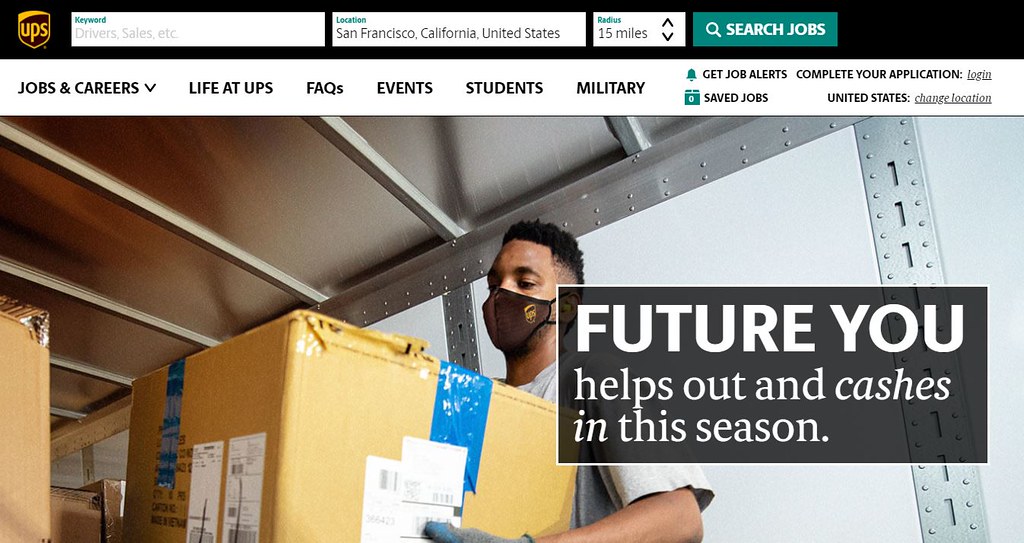
UPS has nearly 5,000+ seasonal warehouse, customer service, and package handler jobs to fill. If you are 17 and older, you can work as a package handler and customer service representative. If you are 21 years old and have a driver’s license, you can apply to be a delivery driver. In addition to seasonal roles, there are permanent ones as well. You can also sign up to receive email alerts for jobs in your area.

United States Postal Service (USPS)

Screenshot of USPS job postings - Seasonal Jobs in 2024! Here’s Who’s Hiring This Holiday Season

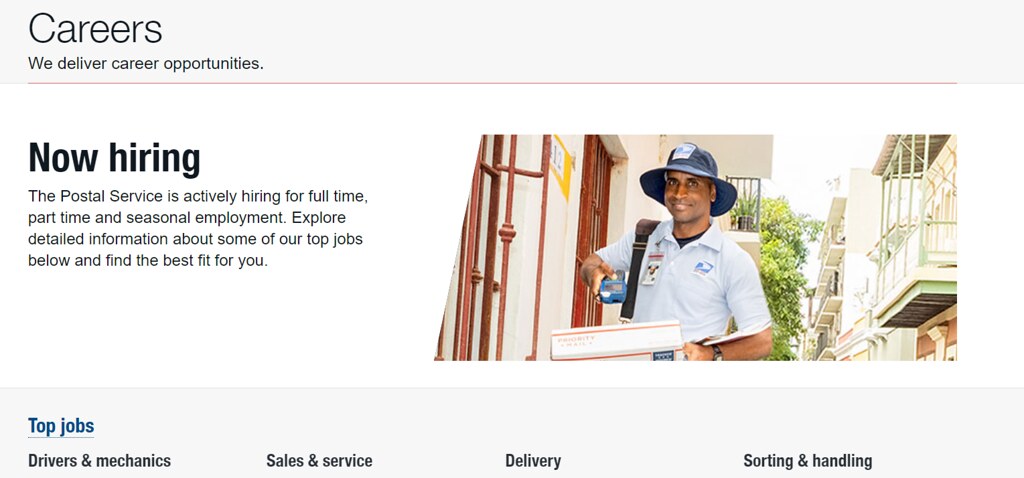
The United States Postal Service hires full-time, part-time, and seasonal employees. Common entry-level roles include processing clerks and distribution associates.

Walmart

Screenshot of Walmart job postings - Seasonal Jobs in 2024! Here’s Who’s Hiring This Holiday Season

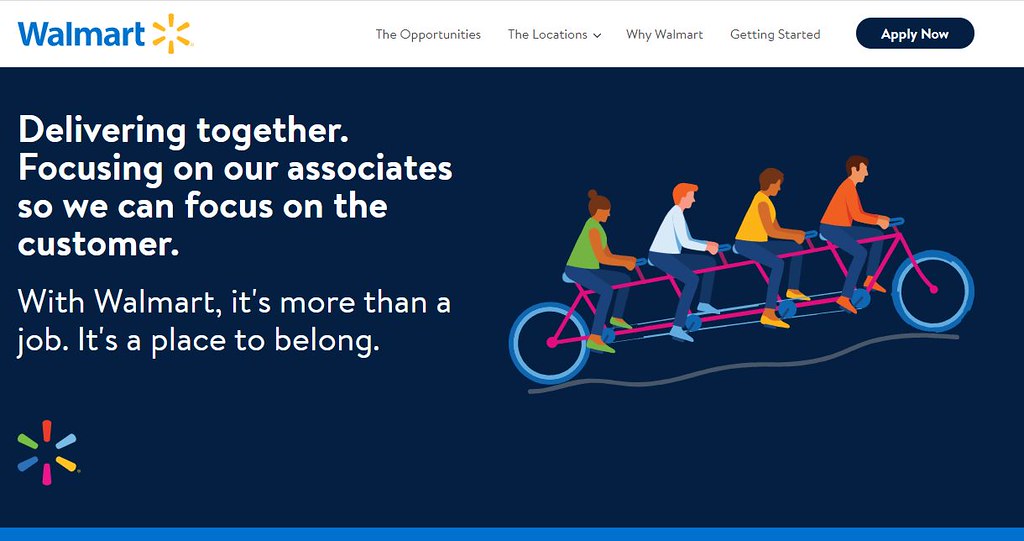
Walmart is almost always hiring. They own Sam’s Club as well, so be sure to look at their jobs this holiday season, too! Pay varies by location and role, but many positions offer near or above $20/hour. As the holidays get closer, Walmart will often also have incentives to join their team. Additionally, there may be an opportunity to convert to a permanent employee at the end of the holiday season.

Do you have any questions about finding a seasonal job in 2025? Connect with a Get Schooled Advisor.

Keep going