Land the Job! Our Top Phone & Video Interview Tips!

Last updated January 5, 2026

In this article

During the job interview process, some employers may hold one or multiple interviews over phone and video with candidates. Read our tips to help you ace your next phone or video interview and land the job!
Clickable button that leads to Get Schooled's Interview Coach tool - Land the Job! Our Top Phone & Video Interview Tips!

Phone Interview Tips

Research your interviewers

Take some time to research your interviewer’s role within the company. This can help you understand what they do and how closely you would be working with them. Additionally, having their contact information on hand will allow you to follow up with them after your interview to thank them for their time!

Review the most common interview questions

Be ready to rock your interview by practicing some common interview questions that may come up.
Prepare 3-4 questions to ask during the interview

An interview is a great opportunity for you to learn more about whether the role or company might be a good fit for you! Read our list of questions you can ask an employer in an interview to learn more.

Do a test phone call

Do a quick test call with a friend or family member to make sure your signal is strong and your voice sounds clear. It can also be helpful to let them know when your interview is and that you will be unavailable so they know not to reach out during that time.

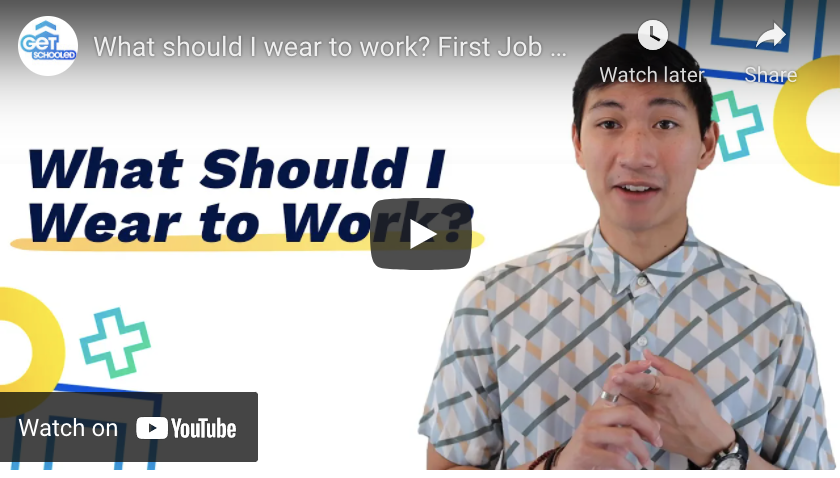
Dress for success

Even if a hiring manager can’t see you, dressing up for your interview can put you in a positive and confident mindset.
Find a quiet place for your interview

Background noise during your interview can be distracting, so close any windows and turn off any loud appliances around you. 

Follow up to say thank you

Write a message to the person or people that interviewed you to express your gratitude and thank them for their time.


Video Interview Tips

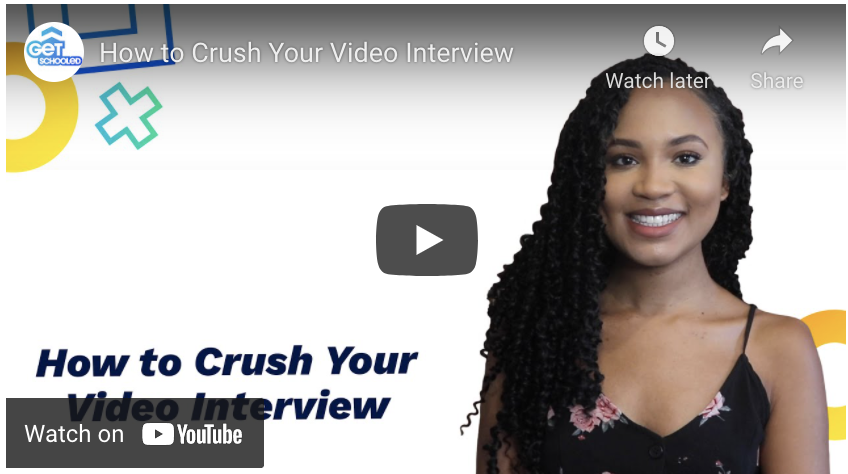
Preparing for a video interview is similar to preparing for a phone interview, so be sure to read all of our tips above! However, there are a few additional things to consider when conducting a video interview.
Understand which type of video interview yours will be

There are two types of video interviews, live and pre-recorded (also known as a one-way interview). During a live video interview, you will talk with a hiring manager or other staff over a video conference platform such as Zoom or Google Meet. Pre-recorded interviews typically require applicants to log into a platform and answer a set of predetermined questions over video. Most pre-recorded interview questions have a time limit, so when you prepare, try to answer some common questions in 90 seconds or less. Try your best to respond to the questions as if you are having a live conversation with someone.

Familiarize yourself with the technology

Ask the recruiter or hiring manager which platform they are using to conduct an interview so you can download the technology and troubleshoot any issues in advance. 

Find a private, well-lit space for your interview

You’ll want to minimize as much noise and distractions as possible so you can focus on acing your interview. Find a private, quiet, well-lit place for your interview so that your interviewer(s) can hear and see you well.

Do you have any questions about preparing for a phone or video interview? Connect with a Get Schooled Advisor.

Keep going

How to Dress for a Job Interview as a Teen

Last updated March 3, 2026

In this article

First impressions matter! While the most important thing you can do in a job interview is demonstrate why you’re the best candidate for the role, dressing appropriately also matters. In this article, we’ll show you how to dress for a job interview as a teen! 

Professionalism redefined

It’s important to acknowledge that standards of “professionalism” in the United States were shaped by white, male-dominant norms. These standards often center whiteness and exclude other cultural identities. As a result, Black and Brown employees may be perceived as “less professional” simply for wearing their natural hair, expressing cultural style, or showing up authentically at work. 

While we disagree strongly with these kinds of professional standards, we want to give you tools to navigate the current system. We’re sharing these tips to set you up for success with the hope that “professionalism” is redefined for all in the future.

From the neck up

Make sure your hair is neatly styled, including facial hair. Depending on the job you’re interviewing for, you may also consider keeping your makeup minimal. 

Attire

If it’s available online, research the company’s dress code. Some companies publish their dress code on their website or have photos of employees that you can pull inspiration from. When in doubt, always play it safe and wear business casual clothing. Including a combination of these items in your interview look will leave a lasting impression:

  • Button up shirt
  • Blouse
  • Slacks
  • Dress or skirt, preferably knee or ankle length
  • Closed toe shoes/flats
  • Heels (make sure they’re comfortable and that you can walk with confidence.)

Things to avoid:

  • Jeans
  • T-shirts
  • Shorts
  • Spaghetti straps
  • Flip flops/sandals
  • Hoodies

Be sure to also only wear two accessories (rings, necklaces, watches, earrings, bracelets, etc.) or less to keep distractions at a minimum. For example, if you tend to talk with your hands, make sure you’re not wearing a bracelet or watch that makes any noise.

If you’re having trouble finding business casual clothes on a budget, here are some affordable options:

Clickable button that leads to Get Schooled's Interview Coach tool - How to Dress for a Job Interview as a Teen

Hygiene

Here are some things to do the day of your interview to make sure you’re feeling your best:

  • Shower and put on deodorant.
  • Brush your teeth and avoid eating things with strong or lasting odors.
  • Avoid any activities or environments where strong odors could linger or stick to your clothing.
  • Take a breath mint two minutes before your interview.
  • Don’t use too much perfume, scented lotion, or cologne. 

Do you have any questions about how to dress for a job interview as a teen? Connect with a Get Schooled Advisor.

Keep going

Asking for Feedback After a Job Interview

Last updated June 18, 2026

In this article

Interviewing for a job you don’t end up getting can be discouraging. While facing rejection isn’t always easy, it can be helpful in preparing you for your next interview and landing your next job! If you don’t get the job you want, ask the hiring manager for feedback. Receiving specific feedback can help you edit your resume, write better cover letters, and better prepare for your next interview. Here’s what to know about asking for feedback after a job interview!

Person using both laptop and smartphone - Asking for Feedback After a Job Interview

Email Or Call The Hiring Manager To Request Feedback

While it can be intimidating to receive feedback about your job application or interview, it’s a great moment for professional development. After receiving a rejection notice from a hiring manager, follow up with them over email or phone to request feedback. 

Here’s an example of an email you could send:

Hi [Hiring Manager],

Thank you so much for your time throughout the interview process for this position. If you are willing and able, I would love to learn more about what I could have improved in my application or interview to have been the strongest candidate for this position. Continuing to grow my professional skills is important to me, so if you would be willing to offer any brief feedback or critique, it would be appreciated!

Thank you,

[Your name]

Thank The Hiring Manager For Their Time 

If you do receive feedback, be sure to follow up via email thanking the hiring manager for their time.

Use Their Feedback

Once you receive feedback about your application or interview, take some time to consider how you will implement it. For example, if the hiring manager gives you feedback that you seemed nervous or distracted during your interview, take some time to hold practice interviews and work on your confidence and composure. If they say that your cover letter was a bit too long, take a look and review what could be cut out in your next one. This feedback can go a long way in helping you put your best foot forward when applying for jobs in the future, so be sure to use it!

Don’t Be Discouraged If You Don’t Get A Response

In many cases, especially at large companies, the hiring manager you were in contact with may have received many applications and scheduled many interviews. If they don’t have time to respond to your request for feedback, don’t be discouraged! Even the act of putting yourself out there and being open to feedback is a step in the right direction toward growing your professional skills. That’s something to be proud of!

Do you have any questions about job interviews? Connect with a Get Schooled Advisor.

Keep going

How to Answer Common Job Interview Questions

Last updated June 18, 2026

In this article

Congratulations on landing a job interview! Now it’s time to prepare. In this article, we’ll share five common job interview questions and how to answer them with confidence!

Tell Me About Yourself.

This is a time to talk about your values, skills, and past experiences. Tell a story about a project or event at work or school that was successful in showcasing your skills. Make a connection between your values and skills and why they make you an asset to this job. 

Answer template

I am a _____ (year in school) at _____ (name of school). I am active in _____ (insert clubs, sports, or other extracurricular activities.) Be sure to also mention if you hold a title within these activities, such as president or captain. This next part is where your research on the organization and the job description comes in handy! You’ll want to integrate the skills they’re looking for with the activities you mentioned.

Example

I am a senior at the University of Washington majoring in economics. I volunteer at the Women’s Center twice a week, work part-time doing bookkeeping for Save Your Bread, and in my free time, play tennis. With a full class load, I became a master of organizing my schedule. I use a block schedule method on my digital calendar and include any task that needs to be completed each week or month. Managing my schedule in this way has taught me a lot about collaboration, clear communication, and utilizing digital software. I believe my experience and skills will be a great asset in this position.

How Would Your Teachers Or Bosses Describe You? 

When answering this question, you’ll want to include the skills they are looking for on the job description. Again, make sure you research the organization’s mission and value statements, as well as the job requirements. Use this knowledge to answer the question. 

Answer template

My boss would describe me as a _____ (job requirement skill). They would also say that I am _____ (another skill from the job description). Be sure to provide examples of when these skills have come in handy at your current job or in your extracurriculars. 

Example

My boss would describe me as a proactive team leader. They would say that I am great at anticipating the needs of our customers. This actually happened during a big event a few months ago. After a last-minute venue cancellation, I calmly booked a new venue and got to work delegating tasks to my colleague to make this change happen without too much inconvenience to our clients. Because of this event, my boss would also say that I am a strategic thinker!

Tell Me About A Time You Had A Problem And How You Solved It.

This type of question is designed to assess your behavior and how you handle challenging situations. 

Answer template

Use the STAR method to help answer this type of question.

  1. Situation (Provide context to your story, explaining where and when it took place).
  2. Task (Describe what you did or needed to accomplish).
  3. Action (Explain what you did in that situation).
  4. Result (Share happened because of your actions).

Example

(Situation) Last semester, I was part of a group project for my history class. We were assigned to create a presentation together. (Task) A few days before the presentation, we realized that some of our information was incorrect, and our slides were not well-organized. (Action) I suggested that we meet immediately to fix the issues. I volunteered to research and correct the information while another group member reorganized the slides. We also practiced our presentation several times to ensure we were well-prepared. (Result) Our hard work paid off, and we delivered a clear and accurate presentation. Our professor praised our efforts, and we received a high grade on the project.

Clickable button that leads to Get Schooled's Interview Coach tool - How to Answer Common Job Interview Questions

What Is Your Greatest Weakness Or Area Of Growth?

Many people find this question to be a tricky one! Be sure to answer it honestly without naming things that may make it seem like you won’t be able to accomplish the requirements of the job. The things you do name can and should be things you know are important and want to work on as you grow in your career. 

Answer template

My greatest weakness is that I _____ (a weakness you want to work on, unrelated to the needs of the job you’re applying for). Because of this, I plan to _____ (what you’re going to do to work through this weakness).

Example

I would say that my biggest weakness is public speaking, since I’ve never had the opportunity to work on this skill. This is something that I would like to improve by taking a public speaking course at a local community college. 

Do You Have Any Questions For Me?

It’s very important to prepare a list of questions to ask your interviewer. This shows them that you took time to research the organization and are fully engaged in the interview. Interviews are a great way to learn if a position is a good fit for you. You are interviewing the employer as much as they are interviewing you! 

Sample questions

  • What do you like most about working for this organization?
  • Can you explain what the first 30, 60, or 90 days look like for this role?
  • What training and professional development opportunities are available to employees?
  • What is the hiring timeline for this position? 

Do you have any questions about preparing for your next job interview? Connect with a Get Schooled Advisor.

Keep going

Top Job Interview Questions to Ask a Potential Employer

Last updated June 18, 2026

In this article

As you prepare for your job interview, remember that it’s just as much of an opportunity for you to interview the employer and learn about whether the job is a right fit!

Asking questions at the end of an interview can give you a full picture of the position and company you’re applying to. If you’re selected for the job, an employer’s responses to your questions can help you decide whether or not to accept the job offer. Check out our top job interview questions to ask a potential employer!

What’s The Most Challenging Thing About Working Here?

You probably have an idea of the benefits that working in this position will bring. However, it’s important to learn more about the parts of the job that you may not enjoy as much. This can help you decide whether to accept the job if it’s offered to you!

What Kinds Of Advancement Opportunities Are Available To Someone In This Role?

If you’re invested in the role or company, there will ideally be opportunities for advancement. This means opportunities to get promotions and raises, learn new things, and receive professional development. If you want to stay at a company long-term, they should be investing in you and your growth.

What Are The Next Steps Of The Interview Process?

This question is one that should be on your list no matter what! It shows that you are eager to move forward in the process and will help you understand what happens next. 

What Does A Typical Week Look Like For Someone In This Position?

This question will help you determine what will be expected of you on a weekly basis and help you set a realistic schedule for job success.

Need Help Preparing For Your Next Job Interview? 👇🏾

Get Schooled’s free Interview Coach tool will help you practice for a job interview in just 15 minutes. After the interview, you’ll receive instant feedback on what you did well and how you can improve. Click the button below to get started!

Interview Coach button - How to Prepare For a Job Interview

Do you have any questions about job interviews? Connect with a Get Schooled Advisor.

Keep going

How to Prepare For a Job Interview

Last updated June 18, 2026

In this article

Preparing for an interview is an important part of the job application process! It can be a bit intimidating, but with some preparation, you can interview with confidence. In this article, we’ll show you how to prepare for a job interview!

Before The Interview

Do your homework

The first step in any interview process is to research the company and the position you’re applying for. This will help you prepare not only to answer questions in your interview, but to ask questions of your own at the end. Do your research in three parts, and ask yourself the following questions:

  • About the company: What makes the company unique? What are their mission and values? How do they treat and pay their employees? Do they cultivate a work environment and culture that you would enjoy working in? You can usually learn most of this information on the company’s website or Glassdoor or LinkedIn page.
  • About the job: What are the responsibilities of the role? What problems would you be solving in this role? What skills are the company looking for in a candidate that you can match to your own strengths and qualifications? Make sure you thoroughly read the posting and any materials the employer may have sent you to get a full understanding of the job and scope of work.
  • About the interviewers: What is their position in the company? If offered the job, how might you work with them in your role? If the company has a website, you can usually find this information on the “Team” or “About Us” page. 
  • If you can’t find this information: If you can’t find specific information about the job or company online, or if the interview is for a job at a retail store, food chain, or a local mom and pop shop, it could be helpful to draw from your own experiences from interacting with this company. Have you ever been a customer there? If so, what was your experience like? This could also be a great opportunity to ask for more information about the company during the interview. For example, you can ask questions like: What is the story behind this company getting started? Does the business feel the same as when it got started? How has it changed?

Prepare questions to ask 

Typically, a job interview ends with an interviewer asking if you have any questions for them. Job interviews are a mutual exploration; while the interviewer is trying to learn if you’re the right fit for the job, you’re learning about whether the job is the right fit for you! Plan to ask 3-5 questions ahead of time. Some may be answered during your interview, while others may pop in your mind while you’re interviewing. Not sure what to ask? Check out our list of top job interview questions to ask an interviewer!

Practice, practice, practice!

As with every other skill, the more you practice, the better you’ll be! While every job is different, there are common questions that you may be asked in your interview. Use our free Interview Coach tool to practice these questions and receive immediate feedback about your interviewing strengths and areas for improvement! 

Know what (and what not) to bring 

If your job interview is in person, it’s important to know what to bring with you. We recommend bringing copies of your resume, a list of references, your list of questions to ask the interviewer, and a pen and paper to jot down any notes. We recommend keeping your cell phone off or silenced, and things like headphones and gum in your bag or out of sight so they’re not distracting during the interview.

Dress to impress!

Dressing to impress for an interview can not only boost your self-confidence, but show employers that you care about landing the job. Read our article on how to look, dress, and feel your best in an interview!

Clickable button that leads to Get Schooled's Interview Coach tool  - How to Prepare For a Job Interview

The Day Of The Interview

Get to the location early (if in-person)

Whether you plan to take public transportation, walk, or drive to the interview, make sure you have your route planned out to anticipate any delays. It’s best to be there at least 15 minutes early to give you enough time to find the interview room and help calm any last-minute nerves.

Have a phone or video interview? 

Check out our top phone and interview tips!

Pay attention to your body language

During an interview, it’s important to be mindful of your body language. Sitting or standing up straight, giving your interviewer a firm handshake, and making eye contact as you give your answers can help you seem engaged and confident.

Ask for a business card or contact information

Before your interview ends, make sure to ask your interviewer(s) for their contact information if you don’t already have it. 

After The Interview

Send a thank you note 

Be sure to follow up and send a thank you note to your interviewer(s). Use this time to show your gratitude for the opportunity and highlight something good that stood out in your interview. This can be a physical thank you note or an email to your interviewer.

Every job interview will be a bit different, but taking some time to prepare in advance can help you interview with confidence! Do you have any questions about an upcoming interview? Connect with a Get Schooled Advisor.

Keep going