Asking for Job References & Letters of Recommendation? Make a Brag Sheet

Last updated June 30, 2026

In this article

Whether you’re applying for a job or internship, you will most likely be required to submit letters of recommendation or references. Letters of recommendation and references, written by individuals you have previously worked with in an academic or professional setting, can highlight your skills, experience, and qualities that make you a great candidate for the opportunity you’re applying for.

Because letters of recommendation and references are important supplements to your applications, it’s important to give your recommenders as much information about your strengths, skills, and experiences as possible so they can write you the best, most accurate recommendation possible. That’s where a brag sheet can come in handy! Here’s everything you should know about brag sheets– like how they work and how to start creating yours!

What is a brag sheet? How can my brag sheet help my recommender?

A brag sheet is similar to a resume. It’s a place where you can list all of your accomplishments, work and academic experience, leadership skills, extracurricular activities, and employment and volunteer history. Simply put, it’s a high-level overview of all of your relevant experience that your recommender can look at when they’re writing you a letter of recommendation or providing a reference for you.

How to create your brag sheet

Brainstorm

Starting from your first year of high school, brainstorm, write down, and organize your achievements and experiences into categories. These categories can include things like:

  • Academics
  • Leadership
  • Employment
  • Extracurriculars/clubs
  • Awards received
  • Volunteer experience
  • …and more!

Shape your story

Narrow down the experiences in each category to two or three activities that had the biggest impact on you, and then use these activities to create your story. For example, if you are in the drama club at school or act in local theater productions, you might describe your favorite performances, how these roles have helped you grow as a person or an actor, and what your experience was like balancing school with an extracurricular activity. As you weave these stories about your activities and accomplishments throughout high school together, you will have a cohesive, compelling story that shows what makes you unique. That’s your brag sheet!

Send your brag sheet

When someone agrees to write you a letter of recommendation or provide a reference for you, be sure to send them any and all important information about the opportunity you’re applying for. This can include things like what the opportunity is (a college application, a scholarship, a job, etc.) when they will need to submit their letter of recommendation or provide their reference, and when you can expect to have a decision. In addition to all of this information, send along your brag sheet and let your recommender know that they can contact you if they have any questions. Lastly, don’t forget to stay thank you! Be sure to share your appreciation with them for their willingness to make time for you!

Want more tips on creating a brag sheet for your letters of recommendation or references? Connect with a Get Schooled Advisor.

Keep going

Job Resources for Undocumented & DACA-Protected Youth

Last updated February 5, 2026

In this article

Understanding what is needed to work in the United States can be confusing for anyone applying for a job for the first time. This can potentially be even more complicated depending on your immigration or legal status in the country. Fortunately, there are job options available for both undocumented youth and youth who have specially protected legal status, such as DACA recipients. In this piece we’ll break down what your job options are and where to find job resources!

(Lee este artículo en español aquí!)

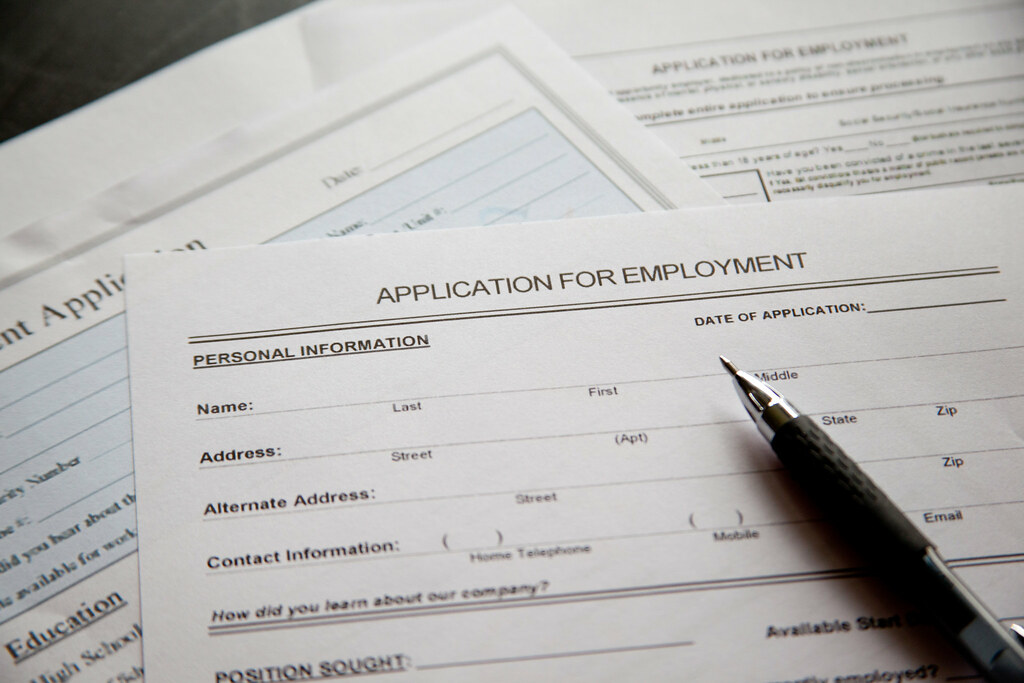
Picture of a job application and a pen - Job Resources for Undocumented & DACA-Protected Youth

Immigration and work authorization policies can change due to court decisions and federal action, so it’s important to stay informed using trusted, up-to-date sources.

Determining your right to work

There are a few categories of legal status that you may fall under according to the federal government. Depending on your status, you’ll have different legal options in terms of what kinds of work you can obtain. We’ll break down the most common statuses below and link to great resources to learn more.

DACA and TPS recipients

The Deferred Action for Childhood Arrivals (DACA) program provides young people who were brought to the U.S. as children with protection from deportation, a social security number, work authorization, and more. DACA, however, is facing some legal challenges. If you currently have DACA status, your right to work is still in place. While new recipients are not being processed, you still may be able to process a renewal so be sure to check your status before you apply to any jobs.

  • Because DACA remains subject to ongoing legal challenges, recipients should regularly monitor renewal deadlines and policy updates before applying for or changing jobs.

  • Even if you currently have valid work authorization, delays in renewals or processing may occur, so planning ahead is especially important.

The Temporary Protective Status (TPS) program provides temporary immigration status to people of certain countries experiencing problems that make it difficult or unsafe for their nationals to be deported back to those countries. TPS designations and extensions are determined by the federal government and may change, so be sure to confirm your country’s current status and eligibility.

Both of these programs offer recipients the ability to work legally in the United States. Here are some key terms and documents you’ll need to know to work successfully with these statuses:

  • Employment Authorization Document (EAD) – As a DACA or TPS recipient, you will be eligible to receive an employment authorization document, or EAD. This document is all the legal proof you need to work! In order to keep your EAD valid, be sure to make sure that your DACA or TPS status is up to date and active.
  • Form I-9 – This is a legal form that employers are required to have all new employees complete. The federal government uses this form to ensure that all employers are hiring employees who are legally entitled to work in the United States. Your EAD is a valid form of identification and proof of your legal right to work and should be the only proof you need when you fill out your I-9 form.
  • Social Security Number (SSN) – A Social Security Number is a government-issued identification number that is used to track earnings, file taxes, and can be used as a part of loan applications among other things. As a DACA or TPS recipient, you may be eligible to receive a SSN. While a SSN is not required to legally work in the U.S., it is highly encouraged to obtain one because it can make things like filing taxes, applying for financial aid for college, and obtaining further employment easier.

Undocumented individuals

If you do not have legal work documents in the United States, like the ones a DACA or TPS or green card holder have, your path to employment can be a bit more complicated – but there are still ways for you to earn money! While securing employment can be difficult for undocumented people, since all employers in the U.S. require new hires to submit an I-9 form, there are still ways for them to earn money legally. Here are some key things to know before you start earning money:

  • Individual Tax Identification Number (ITIN) – An Individual Taxpayer Identification Number (ITIN) is a tax processing number issued by the Internal Revenue Service (IRS). An ITIN is given to people who are required to pay taxes but who do not have, and are not eligible to obtain, a SSN. The ITIN allows people to report earnings to the IRS, open interest-bearing bank accounts with certain banks, and even start a business in the U.S. Getting an ITIN is the first step in earning money legally as an undocumented individual!
  • Form W-7 – This is the form you’ll need to complete in order to get an ITIN from the government.
  • Given increased immigration enforcement concerns in some areas, undocumented individuals should be exercise caution when sharing personal information and seek guidance before pursuing new work opportunities

  • A good practice to have is to avoid employers or job postings that promise “guaranteed” work authorization or ask for unnecessary personal or immigration documents.

How undocumented individuals can earn money in the U.S.

Because employers in the U.S. cannot hire employees without legal authorization, the best way to earn money as an undocumented youth is as an independent contractor, freelancer, entrepreneur, and through worker cooperatives. Once you have an ITIN, you can legally earn money (and pay taxes) in these ways:

  • Independent Contractor or Freelancer – The “gig economy” refers to a segment of the labor market in which clients contract with workers, often via apps, for specific tasks and activities. This includes things like being a driver for a ride share app like Uber or Lyft, working as a freelancer on apps like TaskRabbit, or even jobs such as computer programmers.
  • Entrepreneurship – Working for yourself is never a bad idea! This could include selling products on Etsy or eBay, providing services in your neighborhood, tutoring, babysitting, and more. Read our list of side hustles you can start today for some inspiration!
  • Key Resources to Help –
  • If you have questions about your rights or work options, consider reaching out to a trusted nonprofit or legal aid organization for personalized guidance. Immigrants Rising is an amazing organization that helps young people earn money and know their rights. They have tools about getting started as an independent contractor, brainstorming your next business, and even offer grants to help you start your own business. If you are in college, be sure to talk to someone at your career center. Many schools have specific programs to support youth with a range of immigration statuses. They may have specific internships or fellowships that you can apply for. 

Knowing your rights and figuring out ways to make money can be confusing and challenging, but we’re here to help! Do you have a question or need further assistance with finding or securing a job as a DACA recipient or undocumented person? Connect with a Get Schooled Advisor.

Keep going

How to Write a Professional Email

Last updated June 18, 2026

In this article

Whether you’re applying for a job, communicating with educators, or exploring careers, knowing how to write professional emails is essential. In this article, we show you how to write a professional email with a few real-life examples!

Applying for a Job

While many companies use specific hiring platforms for candidates to submit job applications, some may accept applications over email. When applying for a job over email, you will need a few items to make a strong first impression:

  • Your resume. Every job you apply forwill require you to submit a resume. Your resume should include things like your work and volunteer experience, academic history, and skills or achievements. Before applying, submit your resume to us for free review and feedback!
  • Your cover letter. While not every job you apply for will require you to submit a cover letter, we recommend that you write one anyway. You can draft a basic cover letter and tailor it to each position you apply for. Regardless of the position you’re applying for, it’s important to make sure that your cover letter clearly explains your interest in the position and the experiences (work, volunteer, etc.) that make you the best candidate for it. Both your resume and cover letter should be attached to the email you send for the hiring manager’s review.
  • Your professional email. Because you’re attaching your resume and cover letter, your email to the hiring manager can be brief. In your email, you will want to introduce yourself, briefly explain your interest in the position, and direct the hiring manager toward your resume and cover letter for review. 

Sample Email

Subject: Interest in [name of position] at [name of company]

Dear [hiring manager’s name],

My name is ____, and I am a senior at ____. I recently came across the [name of position] opening at [name of company], and I wanted to express my strong interest in this opportunity.

As a self-motivated individual with experience as a [insert job or volunteer experience here], I believe I have the skills and passion necessary to thrive in this role. 

I am eager to learn more about the [name of position] role and how I can contribute to the team at [name of company]. I would appreciate the opportunity to discuss how my background and interests align with the needs of your company.

Attached below are my resume and cover letter for your review. Thank you very much for your time and consideration. 

Best regards,
[your name]
[your phone number]
[your email address]

Emailing Educators 

Whether you need extra support from your high school teacher or have a question for your academic advisor in college, it’s important to communicate clearly, effectively, and professionally with your educators. Read more below to learn how to communicate respectfully with an educator.

Sample Email

Subject: Request to Meet About [name of subject, topic, etc.]

Dear [educator’s name],

I hope you’re doing well. My name is ____, and I’m a ___ student in your ____ class. I’m writing to ask if we could meet soon to discuss [name of subject, topic, etc.]. 

I’m happy to meet during your office hours or whenever is best for you. Please let me know if we can arrange a time.

Thank you for your time, and I look forward to speaking with you.

Best regards,
[your name]
[your phone number]
[your email address]

Requesting an Informational Interview

If you come across someone on LinkedIn or through your network, you can reach out to them to request an informational interview. Informational interviews are one of the best ways to learn more about the career pathway you’re interested in, directly from a person working in it. Read more below about requesting an informational interview. 

Sample Email

Subject: Request for an Informational Interview

Dear [professional’s name],

My name is ____, and I am a student at ____. I am very interested in learning more about [specific field or industry], and I [came across your LinkedIn profile, was put in touch with you by ____, etc.]. 

Given your experience and success in [specific field or industry], I would appreciate the opportunity to conduct an informational interview with you to learn more about your career journey and any advice you may have for people interested in pursuing a similar path. I would love to meet for a 15-20 minute conversation over the phone or on a video call at a time that is most convenient for you. 

Thank you very much for your consideration. I look forward to the possibility of speaking with you and learning from your experiences!

Best regards,
[your name]
[your phone number]
[your email address]

Do you have any questions about writing professional emails? Connect with a Get Schooled Advisor.

Keep going

Customize Your Resume and Cover Letter to Land The Job

Last updated September 4, 2025

In this article

When applying for jobs, your resume and cover letter are usually your first introduction to employers. We’ll share some tips on customizing both to express your interest in a job and highlight the skills and qualifications that make you the best candidate for it!

Why customize?

Customizing your resume and cover letter for the job you’re applying for will clearly show an employer that you have the qualifications, skills, and experience necessary to do the job. It also demonstrates your genuine interest in the job and company! These are the essential things that hiring managers look for in candidates. 

What to tailor in your resume

While you can keep some sections of your resume the same for every job you apply for – like your contact information and educational background – there are others you should customize each time: your work experience and skills. These are the two main places where you’ll be able to use keywords from the job description and prioritize the information that is most relevant to the job.

  • Work experience. It is most common to organize your work experience so that your most recent job is listed first, and others are listed backward in time from there. The tasks and accomplishments you write about under each job can be a great place to make customizations. Because hiring managers may only be able to read the first one or two bullets per job on your resume, be sure to list the most important information first!
  • Skills. If you have specific or technical skills that are relevant to the job description, be sure to list them on your resume. For example, if a customer service job requires familiarity with “point-of-sale” and handling transactions, be sure to list any cash register or money handling experience in your skills section. Be sure to also list any languages you know and your levels of proficiency. Being multilingual and able to interact with people from different backgrounds is a key skill that many employers value!
A person wearing a white sweater sits at a desk and types on a Mac computer - Customize Your Resume and Cover Letter to Land The Job

What to tailor in your cover letter

Your cover letter is the best reflection of your personality in any job application. If your resume shows what you’ve done or accomplished, your cover letter shows how and why. Your cover letter provides context to your experience and is an opportunity to match your skills to the job description and what an employer is looking for in a strong candidate. When drafting your cover letter, you can research and include things like:

  • Keywords from the job description.
  • Your connection to the company’s values and culture.
  • The hiring manager’s name for a more personal touch. 

Another key thing to look for is whether the job application itself has specific instructions for the cover letter. Some companies may have questions they want you to answer in your cover letter or will want to hear specific details about past jobs. There is only one you, so be sure to allow your personality and passion to shine through your writing here!

Helpful tips to land the job

Here are some helpful tips to consider when submitting a job application:

  • Be organized and consistent across both documents. Small things like using the same fonts and approachable sizing can keep your documents readable for all.
  • Proofread, proofread, proofread! Attention to detail and clear communication skills are always important to employers, and the accuracy of your application is a great way to show that you have them.

Need help building your resume? 

Create a job-ready resume in minutes with Resume Builder! No matter your job experience, our AI-powered Resume Builder will create a personalized resume for you! After a guided conversation, your skills and activities will be turned into a draft resume—no blank page, no stress. Click the image below to begin!

Clickable button that advertises Get Schooled's Resume Builder tool - Use our Free First Job Resume Templates!

Before you submit your job applications, be sure to send your resume and cover letter to Get Schooled for free review! We’ll have them back to you within a week with actionable, personalized feedback.

Do you have any questions about tailoring your resume or cover letter? Connect with a Get Schooled Advisor.

Keep going

How to Ask Someone to Be Your Reference

Last updated June 18, 2026

In this article

When you are filling out a job application or moving through the interview process, an employer will likely ask you to provide 2-3 professional references. But what are references and how can they help you land a job? We break it all down!

What Is A Professional Reference?

Professional references are people in your network who can speak positively about your skills and qualifications for the job you’re applying for. Though employers typically ask for a list of references after you’ve gone through the interview process, some may ask for them at any point. 

Who Should Be My Reference?

Who you ask to be a reference will depend on the job you’re applying for and how much previous work experience you have. For first-time job seekers, your teachers, professors, counselors, and coaches are great people to list as references. For job seekers with previous work experience, your former boss, supervisor, or coworkers could be on your reference list. The key to selecting strong references is to make sure you choose people who have seen you in action and can speak positively about your skills and ability to do the job.

Can A Family Member Be My Reference?

Yes, but only if you have worked with them in a professional capacity. For example, if you work for your family’s business on the weekends, it is totally valid to list a family member as a reference. If you don’t have formal work experience but have done work for family members, like watching younger relatives or dog walking, these family members could also be a potential reference. Ideally, though, it is best to try to find references who are not related to you.

Two people shake hands - How to Ask Someone to Be Your Reference

How To Ask Someone To Be Your Reference

Before you list anyone as your reference, make sure you ask for their permission! Not only is this the right thing to do, it will also give them enough time to reflect on your working relationship to give you the strongest recommendation possible. 

Start by reflecting on and making a list of people in your network who would be willing to be your reference. Reach out to them ASAP if you plan to begin applying for jobs soon. You can ask someone to be your reference by sending them an email, calling them (with their permission), or speaking to them in person. Be sure to give them enough time to say yes or to decline.

Once you’ve secured two to three references, provide them with details of the jobs you’re applying for. Some references will also find it helpful to review your brag sheet, resume, or cover letter to understand the skills you’d like highlighted and if they’re the right person to speak about them.

After an employer reaches out to your references, be sure to follow up and thank them for their time and willingness to help you out. You can also keep them updated on whether you got the job.

Listing References On Your Resume

You do not need to list your references on your resume. Employers will ask for them if you make it to the interview stage of the hiring process.

How To Send Your References To Employers

References are typically shared with employers as a list of people with the following information:

  • First and last name
  • Job title and company name
  • Phone number
  • Email address

Example Reference:

  • Jane Doe
  • District Manager, Acme Tile Company
  • 555-555-5555
  • janedoe@acme.com

Do you have any questions about securing job references? Connect with a Get Schooled Advisor.

Keep going

The Dos & Don’ts of Asking for Job References

Last updated September 4, 2025

In this article

During any stage of a job application process, you will be asked to submit references. Professional references are people who can speak to your professional skills and experience while recommending you for the job you applied for. We share some essential do’s and don’ts of asking for job references! 

Dos

Know who to ask

Choose three to four people who can speak positively about your professional skills and experience. This can be people like former bosses and coworkers if you have previous work experience. If you’re applying for your first job, you can list people like coaches, mentors, or educators who know you well. 

How to ask someone to be a reference

Before you list anyone as your reference, ask for their permission first! Not only is this the right thing to do, it will also give them enough time to reflect on your working relationship to give you the strongest recommendation possible. When reaching out, remind them of your shared experiences and accomplishments, and explain why you’re asking them to be your reference. You can ask someone to be your reference by sending them an email, calling them (with their permission), texting them if you have an established rapport (and know it’s their preferred communication), or speaking to them in person. Learn more about asking someone to be your reference.

Prepare your job references

Prepare your references to give you a strong recommendation by sending them the following materials in advance:

  • Your resume
  • Your brag sheet
  • The description of the position you’re applying for
  • Any other relevant information they should know

Create a reference list

When employers ask for your references, provide them with your official reference list. A reference list is a document that lists key information about each of your references, like their first and last names, job titles, company names, phone numbers, email addresses, and a sentence or two about your relationship with them (e.g. Cindy was my internship supervisor for six months). Make sure the font and style of your reference list matches your resume and cover letter so it looks like a cohesive package.

Follow up and say thank you

Always take a moment to show appreciation for your references by thanking them via phone or email. 

Two women sit at a table and talk - The Dos & Don'ts of Asking for Job References

Don’ts

List someone as a reference without asking 

Don’t assume someone will be your reference without checking in with them first! Always ask for permission far enough in advance to allow them to make a decision.

Ask the wrong person to be your reference

Ideally, your references should be people who know you in professional and academic settings. While your family and friends know you’re awesome, it’s best not to list them as references unless you’ve worked with them in a formal context. Former supervisors and coworkers, as well as educators, mentors, and coaches are typically the best people to ask for a reference. 

Do you have any questions about securing job references? Connect with a Get Schooled Advisor.

Keep going

Keywords to Use in Your Resume

Last updated January 5, 2026

In this article

Many companies, especially larger corporations, use AI technology to filter the resumes they receive based on the keywords they included in their job description. The closer the wording of your resume matches the keywords a company put in a job description, the better chance you will have of standing out. We’ll show you how to use keywords on your resume to land a job!

What’s a job keyword? 

Keywords are words that employers use in their job description to find the strongest candidates for the job. A majority of keywords in a job description can typically be found in the “Qualifications and Skills Required” sections. 

When reviewing a job description, be sure to note which keywords apply to you and your experience. For example, if a job posting requires strong communication skills, attention to detail, or Microsoft Office proficiency, and you have all of those skills, be sure to add them to your resume. Honesty is the best policy, so only add accurate skills and qualifications to your resume.

Every job you apply for will have its own unique set of required skills and qualifications. Because of this, it’s best to have a standard resume that you can tailor to each company and position you apply for.

Which keywords should I use?

The keywords you’ll want to include in your resume are determined largely by the job you’re applying for. For example, the skills and qualifications desired for a cashier position will likely be much different than those for a lab assistant position. Be sure to read each job posting thoroughly to have an understanding of what an employer is looking for and how you might compare to other candidates. If you need some help adding keywords to your resume, we recommend using free websites like Jobscan, which can help you customize your resume for any job to highlight your skills and experience. 

There are some universal job skills that will be an asset at every single job you have, regardless of the company or industry. Some of these skills include: 

If some or all of these keywords apply to you, be sure to list them on your resume. 

Sample keyword use 

Imagine you’re applying for a cashier position and the job description lists the following as required skills:

Cashiers must be:

  • Good with customers.
  • Able to handle complaints and resolve conflict.
  • Able to conduct basic calculations such as addition, subtraction, division, and percentages.

Based on the desired qualifications listed, you can add keywords to your resume such as customer service, conflict resolution, and register/POS (point-of-sale) transactions. Again, only add these to your resume if they accurately reflect your skills and job experience. 

Need help building your resume? 

Create a job-ready resume in minutes with Resume Builder! No matter your job experience, our AI-powered Resume Builder will create a personalized resume for you! After a guided conversation, your skills and activities will be turned into a draft resume—no blank page, no stress. Click the image below to begin!

Clickable button that advertises Get Schooled's Resume Builder tool - Use our Free First Job Resume Templates!

Do you have any questions about finding, applying for, or succeeding in your first job? Connect with a Get Schooled Advisor.

Keep going

How to Improve Your Resume With AI

Last updated June 18, 2026

In this article

Creating or improving your resume can feel intimidating, even if you’ve had jobs in the past. While AI tools have made the resume creation process easier for job seekers, it’s important to know when and how to use them for the best results. In this article, we’ll show you how to improve your resume with AI!

Using AI Intentionally

In today’s job market, many people have started turning to AI tools to create or edit their resumes and cover letters. While there’s nothing wrong with using AI, it’s very important to know how to use it intentionally to set you apart from other candidates while keeping your unique voice. An essential part of the job search process is your ability to confidently speak about the things that make you a strong candidate. This means that what you put on your resume should accurately reflect your experience, and should be things you’re comfortable chatting about with recruiters and hiring managers. If AI generates you a resume full of things you wouldn’t normally say or aren’t accurate to what you’ve done, it’s important to prompt it to try again. 

Another reason to be thoughtful about your use of AI is because some companies have started using software to detect AI-generated application materials. In some cases, they won’t even consider candidates with heavy AI writing in their resumes and cover letters. This means that these candidates are being rejected from jobs before a human can even review their application. Don’t let AI count you out!

With these things in mind, let’s break down ways to create a strong resume with the help of AI!

How to Improve Your Resume With AI 

Don’ts

Use a resume AI gives you without editing it

AI doesn’t know what it’s like to be human. This means that AI tools may use robotic words or phrases that aren’t typically used by the average young person looking for a job. These kinds of things can be easily identified by employers and can lead to your application being rejected. If you use AI on your resume, be sure you’re always editing and proofreading it first so it sounds more like you. 

Share sensitive or personal information with AI 

Be careful when sharing personal information with AI, or avoid it altogether. While tools like ChatGPT allow users to turn off chat history, it’s best to be cautious and not reveal too much about yourself such as your state, city, school, or any other sensitive information you wouldn’t want shared publicly. You can add important information like your email address and phone number after you’re done using AI! 

Dos

Have AI edit an existing resume 

Already have a resume that can use a boost? AI can help you restructure your resume so it feels more polished, professional, and like you

Ask AI to optimize your resume for ATS

Some companies use application tracking software (ATS) during the hiring process. This software filters candidates’ resumes to find keywords listed on the job description so they can start interviewing the most qualified candidates. Try giving AI a job description and ask it to tailor your resume so it includes keywords from the description. Only include keywords, skills, and experiences on your resume that are 100% accurate.

Need Help Building Your Resume? 

Get Schooled has resources to help you build a great resume! 

  • Resume Templates – Not sure where to start? Take a look at one of our four free resume templates and download your favorite to start building. 
  • Resume Builder – Have a 15-minute chat with our Resume Builder tool to create a strong first draft of your resume.
  • Resume Review – Want a human to review your resume before you send it off to companies? Send it to us! One of our jobs Advisors will take a look and send you feedback within a week – all for free. 

Do you have any questions or need some support as you build your resume? Connect with a Get Schooled Advisor.

Keep going

How to Write a Cover Letter for Teens

Last updated September 18, 2025

In this article

When applying for jobs, you may notice that some employers ask applicants to submit a cover letter. You may be wondering what to include in yours, or why it’s important to write one at all. In this article, we’ll break down what teens need to know about cover letters and how to write one!

What is a cover letter and why is it important?

A cover letter is a letter that’s included in your job application along with your resume. It helps you express your interest in the position you’re applying for while highlighting the skills that make you the best candidate for the job. It’s a very important first introduction to employers, so it’s essential to make sure it’s clear, concise, and strongly highlights your relevant skills and qualifications. Some positions may require one, while others may make them optional. Regardless of where you’re applying, it’s best to write one to stand apart from other candidates and highlight your interest in a job. 

How to write a cover letter for teens

You will need to write a different cover letter for each job you’re applying for. For example, a cover letter for a barista job most likely won’t highlight the same skills that one for a lab assistant job would. We recommend drafting one that highlights your skills and abilities, and customizing it to each job you apply for. Start drafting yours using one of our free templates!

Like the structure of an essay, cover letters typically have three parts: (1) an introduction, (2) one or two body paragraphs, and (3) a closing paragraph. Use the three sections below as a template to start yours:

Introduction

  • Introduce yourself.
  • Identify the position you’re applying for.
  • Note how you learned about the position.

Introduction example

My name is Ashley Applicant and I am writing to apply for the position of Retail Assistant Manager, as advertised on the High Fashion Forward website. As a trained Retail Associate who is fulfilled by providing exceptional customer service and creating first-rate shopping experiences for every client, I am confident I would be a valuable asset to your retail staff.

Body

  • Connect your qualifications to the needs of the job.
  • Use examples of skills or achievements from your resume that make you a strong candidate.
  • Use words from the job description. If an employer is looking to hire someone with “strong communication skills,” write that you have strong communication skills and give specific examples to demonstrate how communication is your strength.
A young woman with glasses sitting at her desk, happily working on her laptop while making eye contact with the camera - How to Write a Cover Letter for Teens

Body example

Since my graduation from Rainier Beach High School in June of 2021, I have been working full-time as a retail associate at The Secret Boutique in Seattle, WA. In this role, I have gained valuable customer service training and experience handling day-to-day operations including money management, staff scheduling, inventory regulation, and product marketing.

Two of my greatest strengths are problem-solving and exceeding team goals. Last year, our leadership team wanted to increase store revenue by three percent, but I was able to bring in an additional six percent by creating a new social media promotion that drove over 10,000 new sales.

Closing

  • Express your interest in connecting with the employer about the job.
  • Include a way for the employer to view any examples of your work (website, portfolio, etc.).
  • Leave available methods for contacting you (phone, email, LinkedIn, etc.).
  • Sign your letter (since you’ll likely be doing it on a computer, typing out your name is okay).

Closing example

Enclosed you’ll find a copy of my resume for your review. In addition to my resume and cover letter, I also invite you to check out my LinkedIn profile. If you have any questions, please feel free to contact me via email at ashley.applicant@email.com or via phone at 555-555-5555. I look forward to connecting with you soon. Thank you very much for your time and consideration.

Respectfully,

Ashley Applicant

Ashley.applicant@email.com

(555)-555-5555

Need some feedback?

Finished drafting your cover letter and want someone to review it? Send it to us! We’ll have it back to you within a week with personalized, actionable feedback.

Clickable button that leads to Get Schooled's cover letter review button - How to Write a Cover Letter for Teens

Do you have any questions about finding and applying for jobs? Connect with a Get Schooled Advisor.

Keep going

Key Tips for a Great Cover Letter

Last updated June 18, 2026

In this article

Whether you’re applying for your first or tenth job or internship, a solid cover letter can set you apart from other applicants. Follow our key tips for a great cover letter!

A person sits at a desk and types on a Mac laptop - Key Tips for a Great Cover Letter

What’s the purpose of a cover letter?

Your cover letter serves a different purpose than your resume. Think of your resume as the place to list what you’ve done, while your cover letter explains why and how. Your cover letter should explain why you would be a good fit for the role and how you’ll bring your skills and talents to this new organization. Not every job you apply for will require you to submit a cover letter, but we highly recommend doing so anyway to help the company learn more about your experience!

Use a template

To make the writing process easier, it can be helpful to have a baseline cover letter template that you tailor to each job you apply for. Check out our free cover letter templates to get started! 

Note: You must have a Gmail account to make a copy of each template.

Using AI on cover letters 

AI tools like ChatGPT make it easier to produce cover letters quickly and efficiently. While these tools can be helpful with polishing your writing and proofreading to find grammar errors or typos, it’s still important that your cover letter is written mostly by you. This will help a company really understand who you are and why you want the role. Also, some companies may use software to filter out cover letters written by AI. This means that your application won’t even be considered or reviewed if your materials are too AI-heavy. We strongly recommend that you don’t lean on AI too much during your cover letter writing.

Use keywords

Using the exact or similar keywords from the job description in your cover letter can help employers identify that you have the skills and experience they’re looking for. Some companies even use software to search specifically for these keywords in an applicant’s resume and cover letter.

If you’re applying for a job as a cashier, you may include keywords like “customer service,” “cash handling,” and “POS (point-of-sale) systems” on your cover letter. You can then highlight your experience with these tasks, making it clear that you’re a strong candidate for the job.

Make it personal

Another important part of a successful cover letter is customization. This means tailoring your letter to the specific company and role you’re applying for. It’s important to show the employer that you’re genuinely interested in the position and that you’ve taken the time to learn about the company and its values. To personalize your cover letter, start by researching the company. Look at their website, social media accounts, and any news articles or press releases about them. Pay attention to their mission statement, core values, and any recent accomplishments. This will give you a better understanding of what they’re looking for and how you could tailor your cover letter to their wants and needs.

For example, if you’re applying for an internship at a nonprofit that focuses on environmental sustainability, you may highlight your passion for environmental issues and your commitment to reducing waste and conserving resources. You could also mention any volunteer work or projects you’ve been involved in that relate to environmental sustainability. This will show the employer that you’re not just applying for any job, but that you’re specifically interested in working for their organization because you share their values.

Examples of key skills and competencies

When writing a cover letter, it’s essential to highlight the relevant skills, experience, and personal qualities that make you the best candidate for the role. There are some key skills, or competencies, that most employers look for, regardless of the company or industry. Here are a few common competencies you can highlight in your cover letter:

Responsibility

Many employers value candidates who demonstrate a strong sense of responsibility. In your cover letter, you can highlight your ability to take ownership of tasks and work independently. For example, you might write: “As the captain of my school’s debate team, I was responsible for organizing practices, coordinating tournaments, and leading team meetings. This experience taught me how to manage my time effectively and work under pressure.”

Adaptability

Employers also appreciate candidates who can adapt to new situations and learn quickly. In your cover letter, you can showcase your ability to think on your feet and take on new challenges. For example, you might write: “During my summer internship at a local nonprofit, I was asked to take on a variety of tasks, including event planning, social media management, and donor outreach. I quickly learned how to balance multiple responsibilities and adapt to the changing needs of the organization.”

Strong work ethic

Employers want to hire candidates who are committed to working hard and delivering results. In your cover letter, you can highlight your work ethic by describing your previous work experience or academic achievements. For example, you might write: “During my part-time job at McDonald’s, I consistently received positive feedback from customers and my supervisors for my attention to detail and strong work ethic. I take pride in my ability to work efficiently and provide excellent customer service.”

Teamwork

Collaboration is a crucial part of many jobs and internships, and employers want to hire candidates who can work well with others. In your cover letter, you can highlight your experience working on teams and your ability to communicate effectively. For example, you might write: “As a member of my school’s robotics club, I worked with a team of students to design and build a robot that won first place in a regional competition. This experience taught me the importance of effective communication, teamwork, and problem-solving.”

Initiative

Employers appreciate candidates who take the initiative to go above and beyond their job duties. In your cover letter, you can showcase your initiative by describing projects you’ve worked on in the past. For example, you might write: “Last summer, I organized a community service project in my neighborhood to help elderly residents with yard work and home repairs. This initiative not only helped those in need but also taught me valuable leadership and project management skills.”

Want a second opinion on your cover letter before submitting it? Send it to us for free review! Our Advisors will take a look and send you actionable feedback within one week.

We’re always here to support you through your job and internship search process! Connect with a Get Schooled Advisor if you have any questions.

Keep going