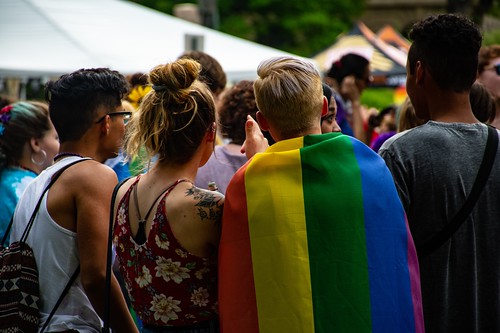
For many students, attending college is the first time they’ve been away from home. Adjusting to a new environment can be a social and cultural shock, but colleges are full of clubs and communities that can help you feel more at home. Whether you’re looking for more of your culture on campus or are curious about other cultures and communities, there’s a space for you! In this article, we’ll show you how to connect to your culture in college.
Many colleges have student-led culture and affinity groups that meet, plan campus events, and go on outings together. Groups like Black Student Union, Latinx Club, or the campus LGBTQ+ club exist to hold space for people wanting to connect with and learn more about different cultures. While these groups have historically united students of similar identities to bond over their interests and experiences, you can typically join any cultural club you want in college—even if you don’t identify with that culture. Not only is this a great learning experience, it’s also an opportunity to make new friends!
Find groups and events in your community
There’s always something interesting happening in a college community! Join local Facebook groups and follow Instagram accounts for clubs and organizations in your area that interest you. When they post about an event you want to attend, grab a friend and go!
Play an intramural sport
If playing sports was a way you expressed yourself and made friends back home, join an intramural sport in college! Intramural sports allow college students to play sports for fun and for free. You can typically find sign-ups for intramural sports online or in person at your school’s Student Union Building.
Find food in your community
Starting to miss home-cooked meals? Grab a friend and find a local spot around campus that serves your favorite food. If you can’t find anywhere that serves it, why not cook it? Gather some friends, buy the ingredients, and use your dorm’s kitchen to cook the food that reminds you of home!
Find a place of worship near you
If you connect to loved ones through your faith, try finding a local place of worship in your area. Just enter your zip code into one of the links below to begin:
The first year of college brings a lot of change to a student’s life: new school, new campus, and maybe even a new city or state! While you have many great new experiences to look forward to during your first year of college, one of the most exciting parts is meeting new people. In this article, we’ll share some tips for making friends in college!
Orientation
New student orientation prepares you to start your new life as a college student. While you may take care of some practical things during orientation, like receiving your student ID or registering for classes, you’ll also meet other new students. The idea of meeting a lot of new people at once can sound overwhelming or intimidating, but putting yourself out there and being open to new relationships will go a long way when starting college. Everyone around you is also new and sharing similar feelings! As you begin to find your community, your school will feel more like home.
On-campus spots
Once classes begin, there are other spots around campus to make friends and build community! These include:
Your residence hall. Don’t be afraid to strike up a conversation with someone in your dorm or on your floor and ask them to grab dinner or coffee with you. They want to make new friends too!
The dining hall. Feeling bold? Ask to join someone’s table if they have an empty seat in the dining hall! Ask them about where they’re from, what they’re majoring in, and their favorite things to do around campus. Even if you don’t end up being friends with this person, you likely will have learned something new from them!
Class. Taking a challenging class? Set up a study group with some classmates. Not only will you strengthen your knowledge of the class material together, you’ll likely make some new friends!
Clubs and student organizations
Ask your RA or someone on your floor about any student clubs or organizations that they’re familiar with, or check your school’s website to find a full list. If you are a commuter student you should also look at the social media profiles of clubs or organizations that you’re interested in to find out where and when they meet, and attend a meeting! You’ll meet new people while bonding over shared interests.
Work
Having a part-time job in college is very common, and also a great way to get to know people. If you land an on-campus work-study job, there’s a high chance you’ll be working with other students. Strike up conversations with your new coworkers and ask to hang out or study together outside of work.
Events
No matter where you attend college, there’s always something happening around campus. Check out your school’s student life office for a list of on-campus events like socials, talks, performances, and more! Your school may even have events geared toward new students that you can attend to meet new people.
Staying local
There are plenty of things for commuter students to do to make friends and meaningful relationships in college. Look for clubs or organizations that align with your interests that meet on weekends or in the evenings. Check out local libraries, community centers, or student lounges on campus for flyers and announcements. You can also connect with classmates for group study sessions or carpooling, which can help build community.
Many colleges and universities have groups and clubs for LGBTQ+ students to gather, connect, and spend quality time together. Different schools offer different groups, so be sure to check in with your college’s student life center to learn more about what’s offered on your campus. Here are some LGBTQ+ groups and clubs you can join in college!
GLAAD
GLAAD has campus ambassadors who work with the organization and their local communities to support LGBTQ+ students and combat discrimination. Your campus may already have an ambassador, but if not, you can apply to be one! They accept applications from people of all sexual orientations and gender identities on a rolling basis, meaning there’s no deadline to apply.
Campus Pride
Campus Pride is a nonprofit organization building LGBTQ+ friendly colleges and campuses through clubs, events, and programming. They have online events and trainings to learn more about combating discrimination and creating safer spaces on campus. They have virtual and in-person volunteer opportunities, as well as internships.
Equality Federation
Equality Federation partners with groups advocating for LGBTQ+ rights in all 50 states. Find your state on this list to learn more about the ways you can get involved, from attending virtual events to volunteering.
Delta Lambda Phi Fraternity
With 18 chapters across the country, Delta Lambda Phi is a safe space for gay, bisexual, and transgender men to connect, serve their communities, and make lifelong friendships. If your campus doesn’t have a chapter, you can start one!
Gamma Rho Lambda Sorority
Gamma Rho Lambda was first established for lesbian college students but is now available to people of all genders, races, and sexual orientations to make friendships and find acceptance. There are 18 chapters nationally, but if you don’t have one on your campus, you can create one!
As a teen or college student, stepping into the professional world can be an exciting yet challenging experience. One challenge that you may face is being the youngest person, the only person of color, or the only person from another underrepresented group within a job, internship, apprenticeship, or predominantly white institution (PWI). Being the “first” or the “only” person can often bring about unique dynamics and a sense of isolation. However, it’s crucial to recognize that your presence holds so much value and can be a catalyst for change. Here’s a guide on how to navigate these situations, find support, and embrace your status as a strength.
Recognize the Importance of Your Presence
Being the “first” or “only” person from your background in a particular space is incredibly significant. Your presence challenges the status quo and paves the way for future generations. Understand that your unique perspective and experiences bring a fresh dimension to the workplace. By recognizing the value you bring, you can build confidence and a strong sense of self-worth.
Seek Out Community and Support
Finding a community that understands your experiences can be empowering. Connect with other individuals who share similar backgrounds or have faced similar challenges. Seek out organizations, professional networks, or affinity groups that celebrate diversity and inclusion. These spaces can provide a support system, mentorship opportunities, and a sense of belonging. Engaging with others who can relate to your experiences can be a source of strength and advice during difficult times.
Find Mentors and Role Models
Mentorship is a powerful tool for personal and professional growth. Look for mentors who have overcome similar obstacles and excelled in their careers. They can offer guidance, support, and insights into navigating the challenges you may encounter. In addition, seek out role models who share your background(s) and have succeeded in your chosen field. Their achievements can inspire and motivate you to strive for excellence. Don’t be afraid to express your desire to find a mentor or role model! You might find someone who can serve as a valuable connection.
Practice Self-Advocacy
In spaces where you may be the only representative of your background, it’s important to advocate for yourself. Speak up about your ideas, share your perspectives, and contribute to discussions. By voicing your thoughts, you can help others understand the value of diversity and challenge any assumptions or biases they may hold. Be confident in your abilities and remind yourself of the unique strengths you bring to the table.
If self-advocacy doesn’t come naturally to you, start by preparing and practicing what you’d like to say in specific scenarios. Write down your thoughts or rehearse with someone you trust to build confidence. You can also use written communication if speaking up feels daunting—emails or messages can be just as powerful in conveying your ideas and concerns.
Recognize Tokenism
Unfortunately, tokenism can occur in some academic and professional settings. Tokenism is when people include individuals from underrepresented groups just to make it look like they have diversity, without actually appreciating or respecting their contributions.
It’s essential to recognize and address tokenism when you encounter it. Speak up if you feel your ideas are not being valued or if you are being treated as a mere “checkbox” for diversity. Seek allies within the organization who can help you address these issues effectively. Just because you come from a specific background doesn’t mean you speak for everyone in that group. Each person is unique and deserves to be seen that way.
Dealing with Microaggressions
Microaggressions are when people say or do things that unintentionally show bias or make assumptions about someone because of their race, background, gender, sexuality, or other parts of who they are. While most times microaggressions are subtle, they can be deeply hurtful, undermine your sense of belonging, and can contribute to a hostile or unwelcoming environment.
Microaggressions can take the form of seemingly positive remarks that carry underlying stereotypes. For example, someone might say, “You’re so articulate for someone from your background.” This comment implies surprise or low expectations based on stereotypes. Respond by calmly pointing out the issue, such as saying, “Thank you, but it’s important to recognize that intelligence and communication skills are not determined by race or ethnicity.”
If you experience a microaggression, it’s important to address it. Choose a suitable time and place to have a respectful conversation with the person involved, explaining how their words or actions impacted you. If necessary, seek guidance from a trusted supervisor or mentor for support navigating these situations.
Cultivate a Supportive Network
While being the only person of color or belonging to an underrepresented group can feel isolating, it’s important to seek out spaces where you aren’t the “only.” Engage with organizations, events, or communities that celebrate diversity and inclusion. Building relationships and connections with people who share your experiences can provide emotional support and rejuvenate you for your other spaces.
Remember, being the “first” or “only” can be a stepping stone to breaking down barriers and creating more inclusive environments. Embrace your uniqueness, seek support, and be an agent of change. Your presence matters, and by embracing your status as a strength, you can inspire and empower others to follow in your footsteps.
You Matter
Remember that your journey has the potential to inspire others. Take the first step by committing to one action today—whether it’s joining a new network, reaching out to a mentor, or sharing your perspective in a meeting. Your voice matters, and by using it, you contribute to building a more inclusive and equitable environment for all.
Learn how to talk to your family about college planning, costs, expectations, and goals with clear communication tips to reduce stress and build support.